


The Parable of The Two Sons.
In The Parable of the Two sons Jesus contrasts two sons; one who did the father’s will and the other who did not. Which was righteous? Stephen explains.

When Jesus Entered Jerusalem
As we continue our look at the parables of Jesus, we now find ourselves at Holy week. On the first day of the week, Jesus entered the city of Jerusalem to the sight of palm branches and the sound of Hosannas ringing through the air.
The next day, Jesus entered the courts of the temple and immediately the chief priests and the elders began to test him, hoping to catch him saying something they could use to accuse him. Picture that for a moment. Here is a man, Jesus, who has fulfilled so many of the Old Testament prophesies about the Messiah. He has performed many miracles, signs, and wonders to show His true nature to the world. He has taught in the temple and the synagogues in a way that no other person ever had, showing incredible insight into the holy writings.
Jesus Meets The Religious Leaders
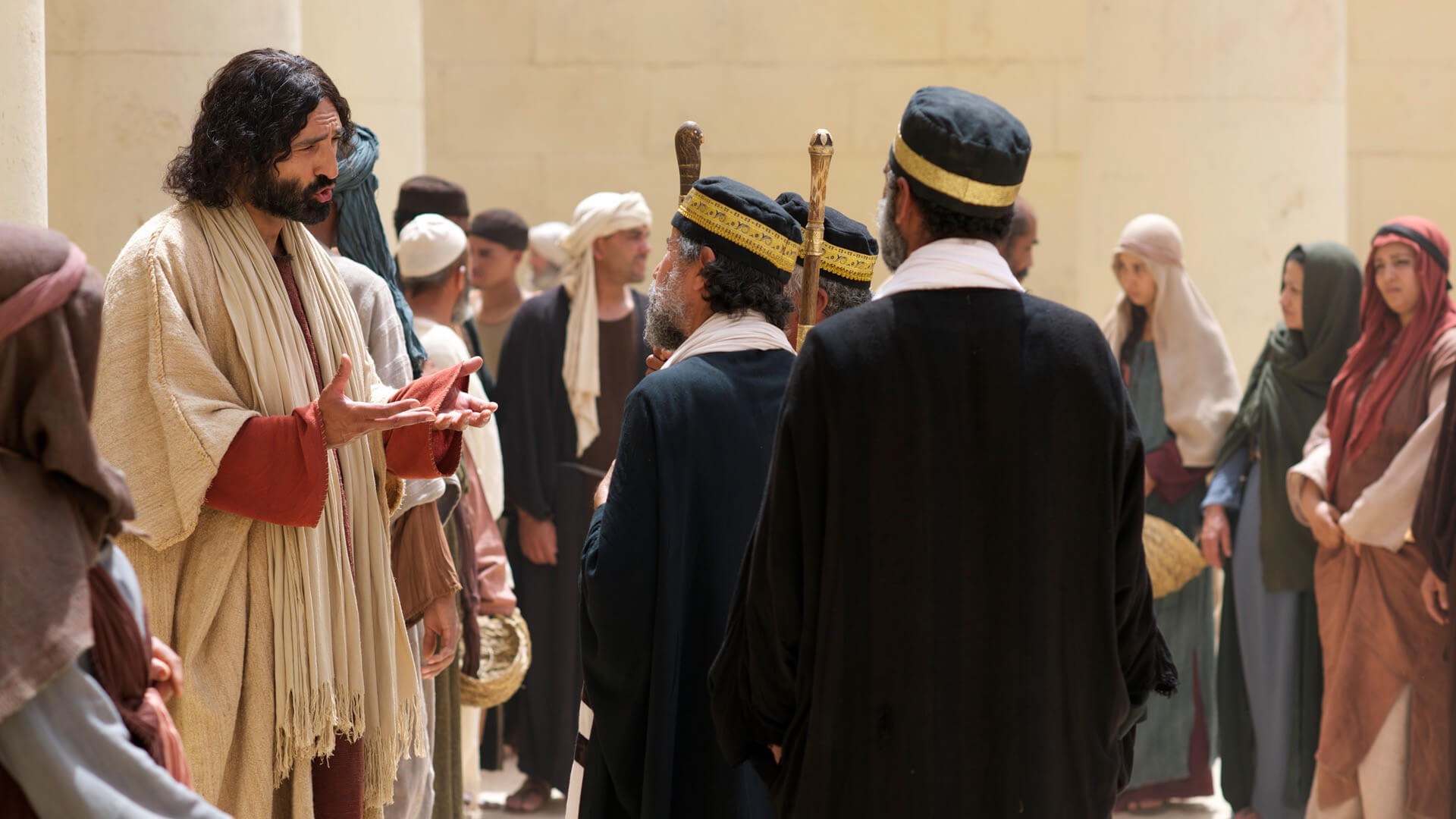
On the other hand, there is a group of religious authorities, those who had spent their lives studying the scriptures, who were to be the example of righteousness to the people, and who were expected to be able to recognize the Christ when he appeared. Now he is standing right in front of them, and they are asking by what authority he teaches. They weren’t asking him because they were wanting confirmation of his heavenly authority, they wanted him to say he was the Christ, so they could accuse him of blasphemy and be done with him.
Jesus, knowing that the day of his suffering was approaching, continues to go about his business and teaching, though we can notice that the lessons from this week tend to be more direct. After the priests and elders ask Jesus about his authority, he tells them this parable, drawing out the difference between those who believe and those who don’t.
The Parable of The Two Sons
Matthew 21:28-32What do you think? A man had two sons. And he went to the first and said, ‘Son, go and work in the vineyard today.’ And he answered, ‘I will not,’ but afterward he changed his mind and went. And he went to the other son and said the same. And he answered, ‘I go, sir,’ but did not go. Which of the two did the will of his father?” They said, “The first.” Jesus said to them, “Truly, I say to you, the tax collectors and the prostitutes go into the kingdom of God before you. For John came to you in the way of righteousness, and you did not believe him, but the tax collectors and the prostitutes believed him. And even when you saw it, you did not afterward change your minds and believe him.
The Purpose of the Parables
If we were to go back and think about the purpose of the parables, from the first episode in this series, we would recall that they were both to reveal some of the mysteries concerning the kingdom of God to those who followed Jesus and obscure them from those who didn’t. Now, it doesn’t seem like a lot is being hidden.
Jesus clearly identifies who represents who in the story. The son who did actually go and work, was a picture of the tax collectors and prostitutes. The son that never went into the field, was a picture of the religious leaders. Let’s start with the first group.
Tax Collectors and Prostitutes
Jesus uses the words tax collectors and prostitutes in his interpretation of the parable, as these seemed to have been the worst offenses of the day to the Jewish authorities. Imagine, in a few days these same religious leaders will ask for a violent insurrectionist and murder to be released for them but would not even eat a meal with a tax collector. The idea here though, is to not get hung up on those two specific people groups, Jesus is simply talking about sinners in general, and perhaps more specifically, those who willfully have gone against the Old Testament law.
Enemies Toward God
The Bible teaches that our sin makes us enemies toward God. That’s why His gift of grace to us is so astounding. We don’t deserve to be saved. We make ourselves opponents of God, yet he still showed us His love by sending Jesus to us. The first son in the parable, put himself at odds with his father. Notice that he didn’t make a request to his sons to work in the vineyard, he said, “Go”, it was a command. The first son answered, “I will not.” He immediately opposes the will of his father, doing so with language that reveals whose desires he truly follows, “I will.”
We have several examples from the New Testament of people opposing God’s will, and one that I think makes a very important illustration of this point comes from Matthew 16. There, Jesus is telling his disciples about how he was to go to Jerusalem, where he would suffer and be killed. Peter, then steps in and says, “Far be it from you Lord, This shall never happen to you.”
Jesus Came to do His Father’s Will
Now, Jesus makes it clear throughout the gospels, that he came to do His Father’s will, and only speaks what the Father authorizes, so in this case, everything Jesus says about what will happen to him is a revelation concerning the will of God. So, for Peter to say this will never happen, is an expression of opposition to the will of God, even though that wasn’t Peter’s intent.
That’s why in that situation Jesus responds to Peter by saying, “Get behind me Satan.” He is not saying that Peter is the devil or has been possessed by an evil spirit. What he meant was that opposing the will of God is the work of Satan, we can see that played out in the scriptures as far back as the first chapters of Genesis.
John The Baptist’s Message
Taking this all back to the parable, this first son is representative of those who originally chose to live a life in opposition to God’s will for mankind, only to change their mind and ultimately agree with God. The Bible calls this repentance, and that’s important because in his explanation of this parable Jesus mentions John the Baptist. What was John’s message? Repent. Turn from your sinful ways and trust in God’s provided Saviour. So, even though this group of people were against God’s will, they eventually saw the error of that and turned to him, believing the report of John, and Jesus confirms through this parable and explanation that they are saved, and why.
The Second Son
Next, we move to the second son in the story. The one who says the right things but doesn’t do them. Saying it like that should be a warning to all of us, hypocrisy is a serious thing. That’s the angle that Jesus was taking here concerning the religious leaders. They claimed they were righteous, they claimed they were doing the will of God, they claimed to be seeking after the same things that God wanted. They were trusting in themselves and not in the one that God sent to them. These so-called righteous men were seeking to kill a man for humbly doing God’s will on earth.
This was a very direct statement Jesus was making about the priests in the parable, and only made more implicating by the interpretation. They were a group of people who said they would follow God, but when the time came for them to do so, by repenting and believing in Jesus, they would not.
Source of Authority
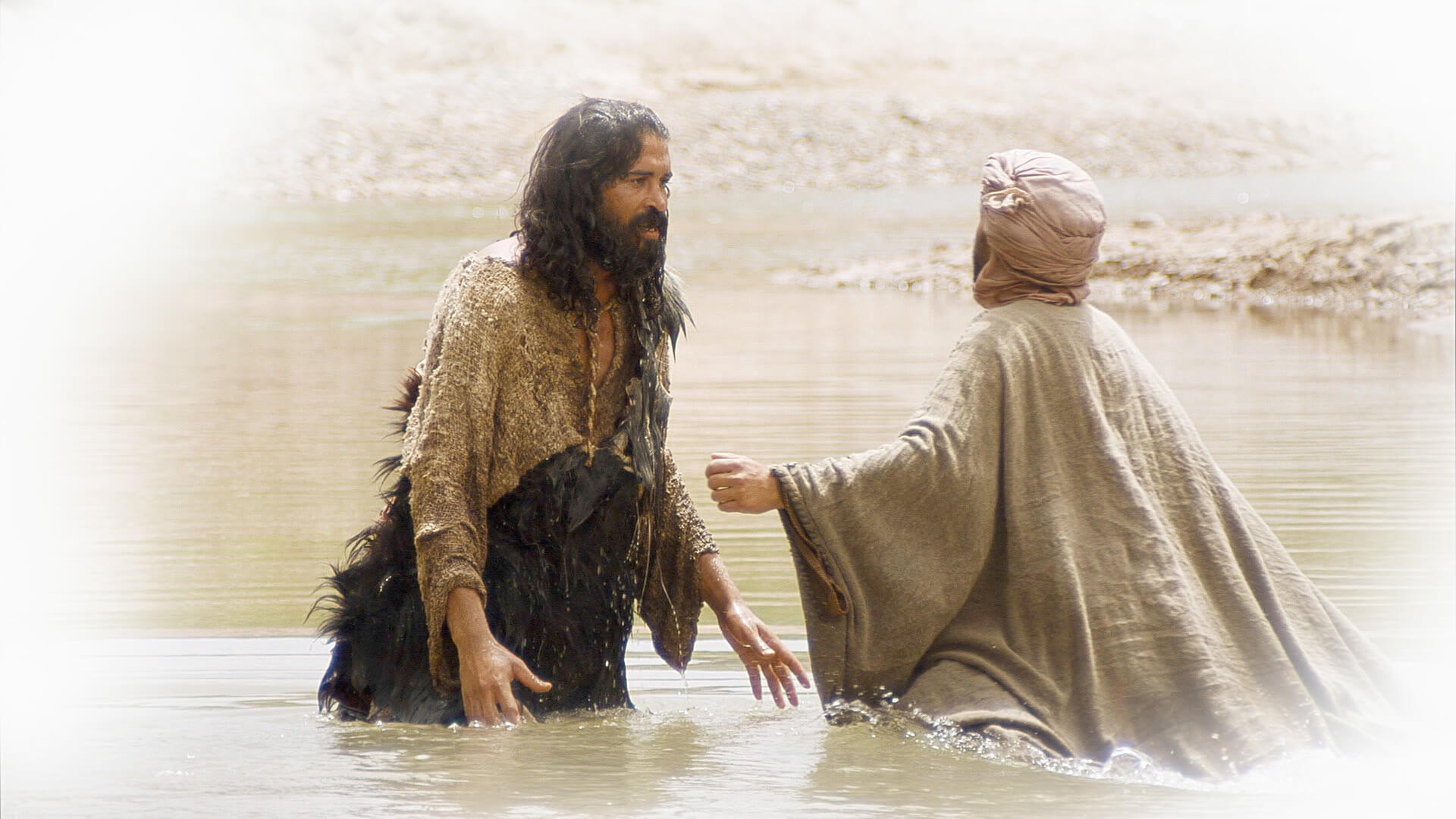
There is another important part of this, and it pertains to John the Baptist. He is brought up by Jesus in the explanation of the parable, and for good reason. When we started our look at this, the context was the religious leaders challenging Jesus on where his authority came from. Jesus’ responded by asking them to tell him where John’s baptism came from, heaven, or man?
If they could answer that he would tell them where his authority came from. The priests and the elders would not answer, thinking that if they said from heaven, Jesus could reply by saying “Why did you not believe him then.” If they said from man, the crowds would be against them, as they thought John was a prophet.
John Spoke the Truth
Jesus closes the parable by telling them that the people saw that John spoke the truth about the need to repent and follow Jesus, who was the Messiah. And they that had, received their reward for that, which was admission into the kingdom of God, based on their faith. The religious leaders did not believe John, even after they saw all the miracles of Jesus, they still would not change their minds and believe in him, but rather clung to their own righteousness. Which is not enough to save them. Nor is it enough to save us.
And that’s the best takeaway from this passage. Jesus’ mention that they did not change their minds, implies that had they done so, they too would have been saved. This extends through our time today, that even if we have said no to God for our whole lives, we can still recognize Jesus for who he is, repent of our sins, and believe in him for salvation. We can be like the first son, though we said we will not go, we can change our mind, and choose to follow Jesus.

What have you learned from the Parable of The Tax Collector and The Pharisee? What is your response to



Leave a Reply