

Labourers in the Vineyard.
The Parable of the Labourers in the Vineyard is recorded for us in the gospel of Matthew and is considered difficult. Stephen March explains.
Deathbed Confessions
Does a deathbed confession count? Can a person live their entire life, even in grievous sin, only to repent in their dying moments and still be saved? Though it might be unlikely, the Bible teaches that it is possible. The question then might be, would the salvation of someone who trusts in Jesus early in their life, and served him longer be greater somehow? Jesus answers these questions in Matthew 20, sharing the parable of the Labourers in the Vineyard.
The Parable of the Labourers in the Vineyard
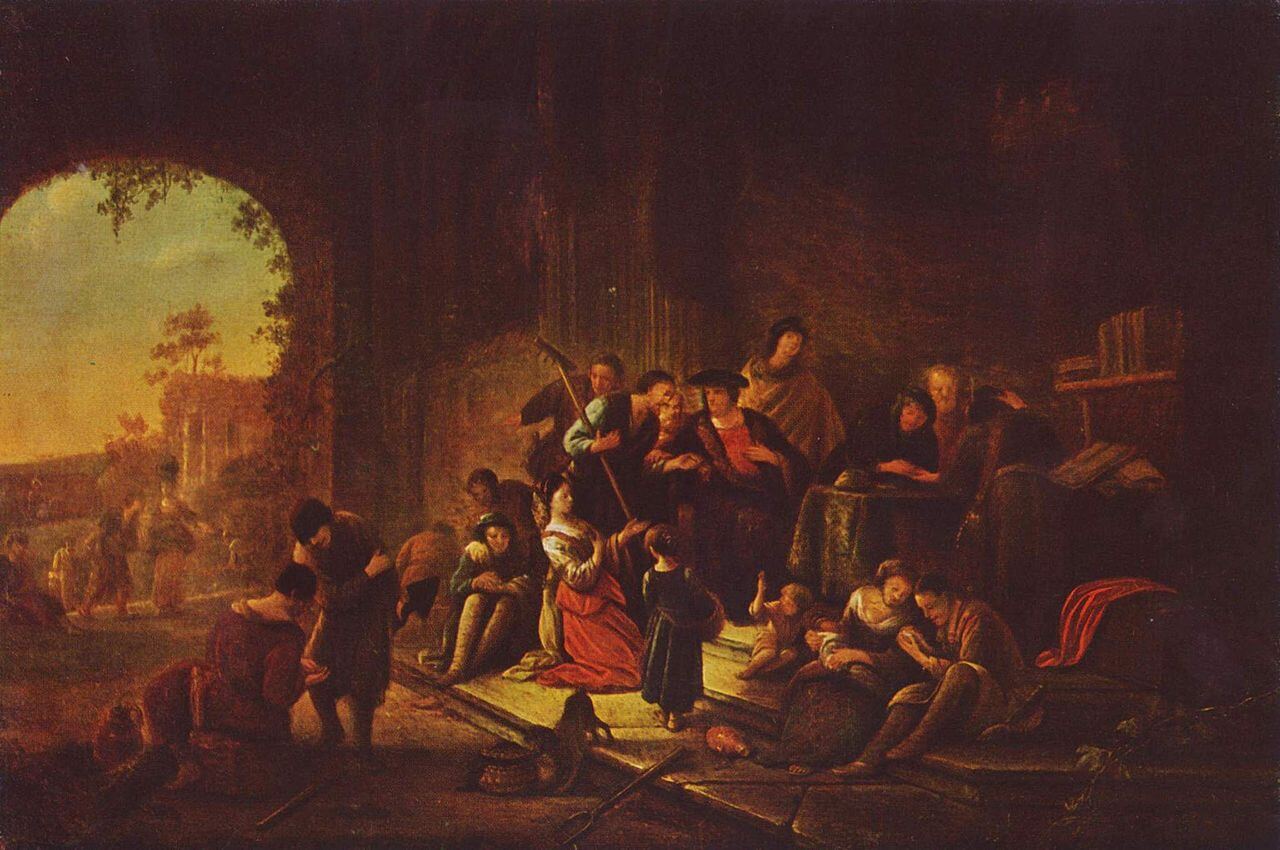
For the kingdom of heaven is like a master of a house who went out early in the morning to hire laborers for his vineyard. After agreeing with the laborers for a denarius a day, he sent them into his vineyard. And going out about the third hour he saw others standing idle in the marketplace, and to them he said, ‘You go into the vineyard too, and whatever is right I will give you.’ So they went. Going out again about the sixth hour and the ninth hour, he did the same. And about the eleventh hour he went out and found others standing. And he said to them, ‘Why do you stand here idle all day?’ They said to him, ‘Because no one has hired us.’ He said to them, ‘You go into the vineyard too.’ And when evening came, the owner of the vineyard said to his foreman, ‘Call the laborers and pay them their wages, beginning with the last, up to the first.’ And when those hired about the eleventh hour came, each of them received a denarius. Now when those hired first came, they thought they would receive more, but each of them also received a denarius. And on receiving it they grumbled at the master of the house, saying, ‘These last worked only one hour, and you have made them equal to us who have borne the burden of the day and the scorching heat.’ But he replied to one of them, ‘Friend, I am doing you no wrong. Did you not agree with me for a denarius? Take what belongs to you and go. I choose to give to this last worker as I give to you. Am I not allowed to do what I choose with what belongs to me? Or do you begrudge my generosity?’ So the last will be first, and the first last.
Matthew 20:1-16

The Nature of God
Understanding the nature and character of God can be a tricky thing sometimes. We all have our biases, which include those based on what we believe, but also on the different ways we are influenced by our culture and society.
For many of us, the thoughts and feelings of the workers hired early in the day are relatable, perhaps even justifiable. We have a natural desire to see fairness in the things around us, and particularly in our own lives, but we don’t always understand equity the way God sees it. One reason for that is that our idea of fairness can change based on the situation.
For example, if we were one of the workers hired at six in the morning, we might be offended that those hired at the end of the day received the same payment as us. That doesn’t seem fair. However, would we be as offended if we were one the workers hired in the sixth, ninth or eleventh hour? Probably not. Most likely we would be grateful to receive the full wage instead of a prorated amount that we may have been expecting.
Reconciling the Lesson
So then, how do we reconcile this lesson? Is Jesus implying that God is unfair, and that those who devote their entire lives to following Christ and worshipping God will receive the same reward as those who live only for themselves until the very end? Absolutely not. That’s why Jesus includes the response of the vineyard owner at the end of the parable. The master here is a picture of God, and the lesson is about His promises, not His reward. In fact, the parable is not even about rewards at all. Let’s begin with the promise.
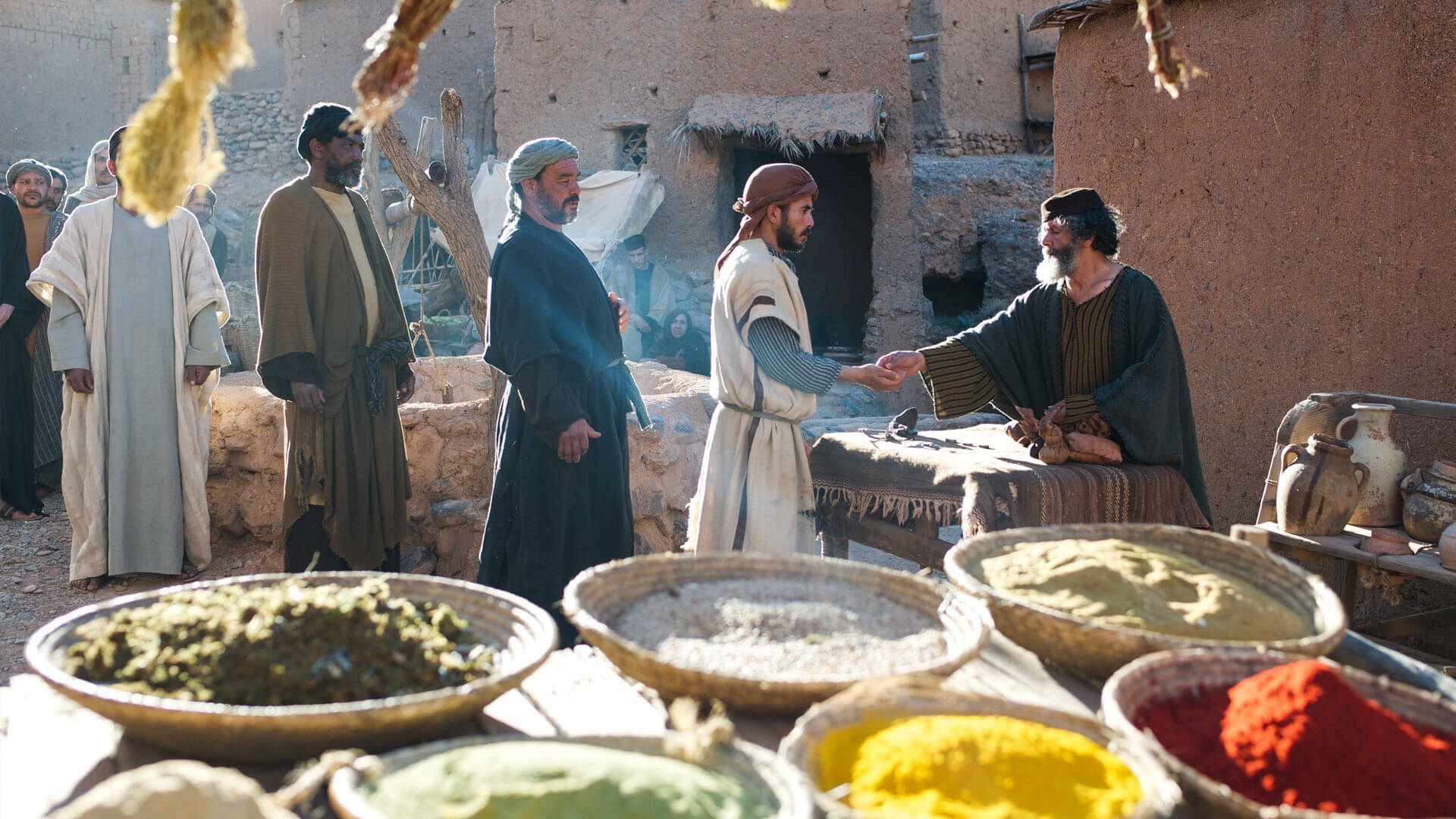
In the parable, the promise is made to the workers in the morning, come and work n my vineyard, and the owner agrees with the workers that the rate he would pay them is one denarius a day. That agreement is a key point. Both parties accepted this amount to be fair for them. Likewise, he goes out to the other potential workers at different times of the day, and hires them to work also, promising to pay them “whatever is right” or put another way whatever is fair.
Fair Wages
Now, fair wages have been set already based on the first group. We could then spend a lot of time trying to figure out what the other groups should have been paid, based on hours worked, or whether the first groups should have received a bonus for being there longer. And many great arguments could be made for both sides of the debate.
The end of the parable though, when the owner says, “Am I not allowed to do what I choose with what belongs to me?” becomes the key sentient of the story. It takes the question of fairness out of the equation. The owner had already established that justice in this situation was met when he paid them what he promised. “Friend, I am doing you no wrong. Did you not agree with me for a denarius?”. Again, the focus is shifted from the reward to the promise.
The Promise and the Reward
This is an essential truth about the promise of salvation that we have in the Bible. Acts 16:31 says “Believe in the Lord Jesus and you shall be saved.” Romans 10:13 tells us
For everyone who calls on the name of the Lord will be saved.”
Romans 10:13
John 1:12 says
But to all who did receive him, who believed in his name, he gave the right to become children of God.
John 1:12
Jesus himself said in John 6:37
Whoever comes to me I will never cast out.
John 6:37
God’s desire for all men, is that we repent of our sin, and believe in Jesus Christ, and his sacrifice for us on the cross. His promise to us, is that everyone who does believe will receive certain blessings in return. These are things that every believer receives, regardless of when in their lives they put their trust in Jesus.
This promise includes things like forgiveness of sins, eternal life, peace with God, a heavenly home in the future, a personal relationship with God the Father and with the Lord Jesus Christ, freedom from the penalty of sin, and many other things that come with following Jesus. That is what was represented in the denarii in the parable. The gift of forgiveness and everlasting life. No matter when we come to Christ, when we make the decision to believe and follow him, we will receive that gift from God. And note, the reality is that it is a gift and not payment or something earned.
Why Believe Now?
So, this could bring up the question, why believe now? Can’t I have fun, and live for myself, seeking my own pleasure, doing whatever I feel is right rather than being bound to living a holy life according to God’s ways? Can’t I enjoy the pleasures of this world for a time, and then as I get older and closer to death, just repent, and believe in Jesus and be saved? That’s a very dangerous course of action.
Consider this, what would have happened to those workers who were standing idle in the eleventh hour, if the work had been completed in the tenth? They would not have had the chance to work, they would have received nothing at all. We don’t know how much time we have in this life. We don’t necessarily like to talk about that, but it is the truth.
We are not promised a tomorrow, and the Bible says that if we die, having not placed our faith in Jesus for salvation, then we must pay the penalty for our own sin, which is eternal separation from God in the lake of fire. The promise of heaven will be lost to us, the gift of God’s grace unavailable. Considering an eternity described as torment, ask yourself, are a few years of earthly pleasure worth it?

A Scary Truth
There is another, and perhaps bigger problem with this approach though. The first chapter of Romans presents a scary truth about the nature of willfully disregarding God and his ways and choosing the sin of this world. Three times there it speaks of how when mankind reject God, and choose to live according to their own ways, that God would give them over to those evil ways, and their ends. 1 Timothy talks about those whose consciences are seared. The idea being is that they have been hardened. Essentially, the more time we spend without God, away from Him, the more our hearts within us darken to His truth.
The longer we reject Christ, the harder it becomes to believe and accept him. Studies that have been done by the Barna Research group verify this, reporting that in a nation where the teachings of Christ are available, the probability of a person accepting Christ as Lord decreases significantly with age. A child under the age of 14, they found has a 32% probability of believing. That drops to 14% for teenagers and again to only 6% for adults over 19. It is exactly what the Bible talks about, and so to think that we could challenge God by saying that we will live our own lives and repent before we die, is nothing more than a very foolish gamble with our own souls at stake.
The Advantage to Believing Now
So then, is there an advantage to believing now? Absolutely. Not only do the blessings we receive from God take effect the moment we believe, such as peace with God, the changing power of the Holy Spirit within us, assurance of salvation and so on.
The Bible also talks about how there are heavenly rewards, or treasures, awaiting those who serve the Lord faithfully in life. This wasn’t the subject of the parable that Jesus told in Matthew 20, but it was part of the conversation that led to the parable being told.
How to Receive Eternal Life
At the end of Chapter 19, a rich man came to Jesus asking how he could receive eternal life. He went away sad when Jesus told him he had to forsake all his earthly possessions and follow Jesus, because he was a wealthy person. This prompted Jesus to say how difficult it is for a rich person to enter the kingdom of heaven. Peter then replied to Jesus saying, “See, we have left everything and followed you. What then will we have?”
Jesus then spoke of the reward they would have in the future, in the new world, and how everyone who leaves the things of this world to follow Christ, and to do his work, will receive back a hundred times in heavenly rewards what they gave up. He then says they will also inherit eternal life. The importance here is that there is a distinction between the rewards, and the gift of eternal life. That’s what we have been talking about, everyone who believes will receive eternal life, and all the blessings that go with it, but there are also additional rewards for those who serve God now, based on the work they do for Him after believing in Jesus.
Never too Late, But Never Too Early!
It is never too late to turn to Jesus and receive the gift of God’s grace and forgiveness. His promise to us is that if we just believe he will give us everlasting life. At the same time, it is never to early to believe either, and to spend full lives working for him, enjoying the blessings that come through faith, and storing up treasures in heaven.

What have you learned from the Parable of The Labourers in the Vineyard? What is your response to Jesus’ parables? We would love to hear from you. Comment below or contact us at HopeStreamRadio.



Leave a Reply