God’s name is more powerful than that of any other god. Mark traces the history of the Hebrews in Egypt through to The Exodus.
Many Great Empires
Throughout world history, many great empires and nations have risen and eventually fallen. A few prominent examples are the Ming Dynasty, the Roman and Babylonian Empires. The proverb “the bigger they are, the harder they fall” is a universal truth that can apply to nations, organizations, and individuals.
Many times, there have been nations that rose to great political power, conquering vast areas of land and suddenly collapsed. There have also been individuals who rose to high levels of power, riches, or status before falling into disgrace. When situations like these occur, the world takes much interest. For weeks it will occupy the headlines of the news, and be the opener for people’s conversations, because someone of great renown plunged so quickly.
How the Mighty Have Fallen
The Bible has a similar proverb, “how the mighty have fallen.” It reminds us that power and success are fleeting in the context of God being the One who bestows and who removes the mighty.
The Apostle Paul taught that the God who created everything exercises dominion over His creation and its affairs in,
“The God who made the world and everything in it is the Lord of heaven and earth and does not live in temples built by human hands. And He is not served by human hands, as if He needed anything. Rather, He himself gives everyone life and breath and everything else. From one man He made all the nations, that they should inhabit the whole earth; and He marked out their appointed times in history and the boundaries of their lands. God did this so that they would seek Him and perhaps reach out for Him and find Him, though He is not far from any one of us. ‘For in him we live and move and have our being.’”
Acts 17:24-28
The Rise and Fall of Kingdoms and Empires
God sustains life and ultimately governs the world’s nations. Why does He allow kingdoms and kings to rise and fall? So, every generation may see the fleetingness of humanity’s nobility and sovereignty. They are humble reminders that nothing stays constant, that everything in this world has limitations, and there are things much greater than us. So, everyone would come to recognize that nothing is in our control, and we need to seek out the One who is the supreme authority of everything. To know He is Lord!
“God makes nations great, and destroys them; He enlarges nations, and disperses them.”
Job 12:23
God is Actively Working
God is actively working in the world in such powerful ways; in matters we may not consider. When one country goes to war with another, or when significant changes take place in the global economy, we must view these events through the lens that God is the One controlling these changes.
We tend to think of God as only working within church communities and in the lives of individuals; we may not think of God as being involved in the daily political decisions and developments in our society and nations, but these verses cause us to think otherwise.
The Lord of heaven and earth brings about the rise and fall of human power to fulfill His plans and purposes here on earth.
“For His eyes are on the ways of a man, and He sees his every step.”
Job 34:21
God is fully aware of everything that happens in this world. Some people find comfort in the thought that God is in control, while others find it unsettling, restraining, because THEY would prefer to be the one in total control of their life, and their future.
Sennacherib, King of Assyria
In our last episode, part-5, of this series, we learned about Sennacherib, the king of Assyria. Assyria had become one of the most powerful kingdoms in the world. They would invade other nations and conquer with very little effort. As their victories grew, so did Assyria’s confidence and pride. They began to hurl insults at God and threaten His people. God is not mocked. In one night, the angel of the LORD killed 185,000 Assyrian soldiers.
The battle was won totally by the Lord. Shortly after this Sennacherib was murdered by his two sons, and in less than 100 years the Assyrian Empire was no more. This is just one of many examples recorded in the Bible where the Lord allowed a person to become so mighty that when they fell, in such a dramatic way, it caused shock to see how quickly and unexpected their life changed and ended.
What Will the Next Hour Bring?
May these thoughts make us consider this reality in our own lives; we cannot know what the next hour or day brings. If an accident suddenly occurred and your life was taken, would you know where you are going when you die? Are you certain of what would happen to you after this life?
The bible tells us definitively in one verse, John 3:18 says that
“whoever believes in Jesus is not condemned (to hell, eternal separation from God), but whoever does not believe stands condemned already because they have not believed in the name of God’s one and only Son.”
Trusting in Jesus Christ as your personal savior is the only assurance we can ever have of knowing if we are going to heaven. It cannot be based upon how good and nice we are, as the bible says that all have sinned and fallen short of God’s glory.
The Day of Salvation
The scriptures state that even the most amazing and flawless things we could ever do are like filthy rags in His sight, so it cannot be based on doing good deeds.
2 Corinthians 6:2 says that today is the day of salvation. Now is the time. Don’t wait. Because our lives are so uncertain, you run a great risk in delaying to receive Jesus as your Savior. Please take hold of that opportunity now while you still can!
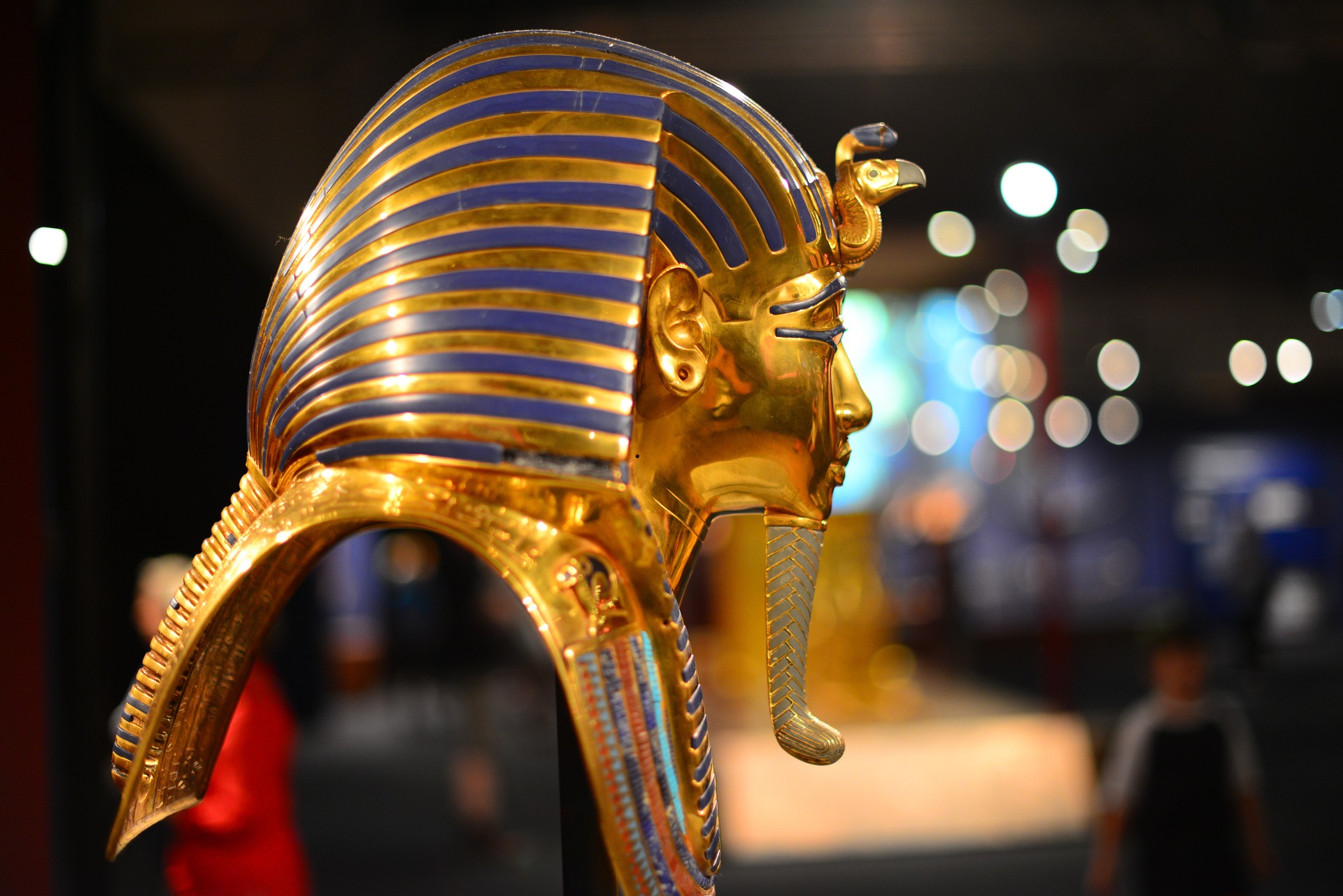
Another well-known example in the scriptures of God raising a king and kingdom, then causing everything to fall dramatically, is the Pharaoh of Egypt in the book of Exodus.
In the midst of Pharaoh’s stubbornness, God told Moses to,
“Get up early in the morning, confront Pharaoh and say to him, ‘This is what the Lord, the God of the Hebrews, says: Let my people go, so that they may worship me, or this time I will send the full force of my plagues against you and against your officials and your people, so you may know that there is no one like me in all the earth. For by now I could have stretched out my hand and struck you and your people with a plague that would have wiped you off the earth. But I have raised you up for this very purpose, that I might show you my power and that my name might be proclaimed in all the earth.”
Exodus 9:13-16
Joseph In Egypt
In case you are unfamiliar with this story, we will do a short summary; it starts about 400 years before this, with a man named Joseph. He was a Hebrew and God caused him to become Pharaoh’s second in command. His father’s name was Jacob, also given the name “Israel” by God, and having eleven brothers. All his siblings, with their families, moved from the Land of Cannan, to live with him in Egypt.
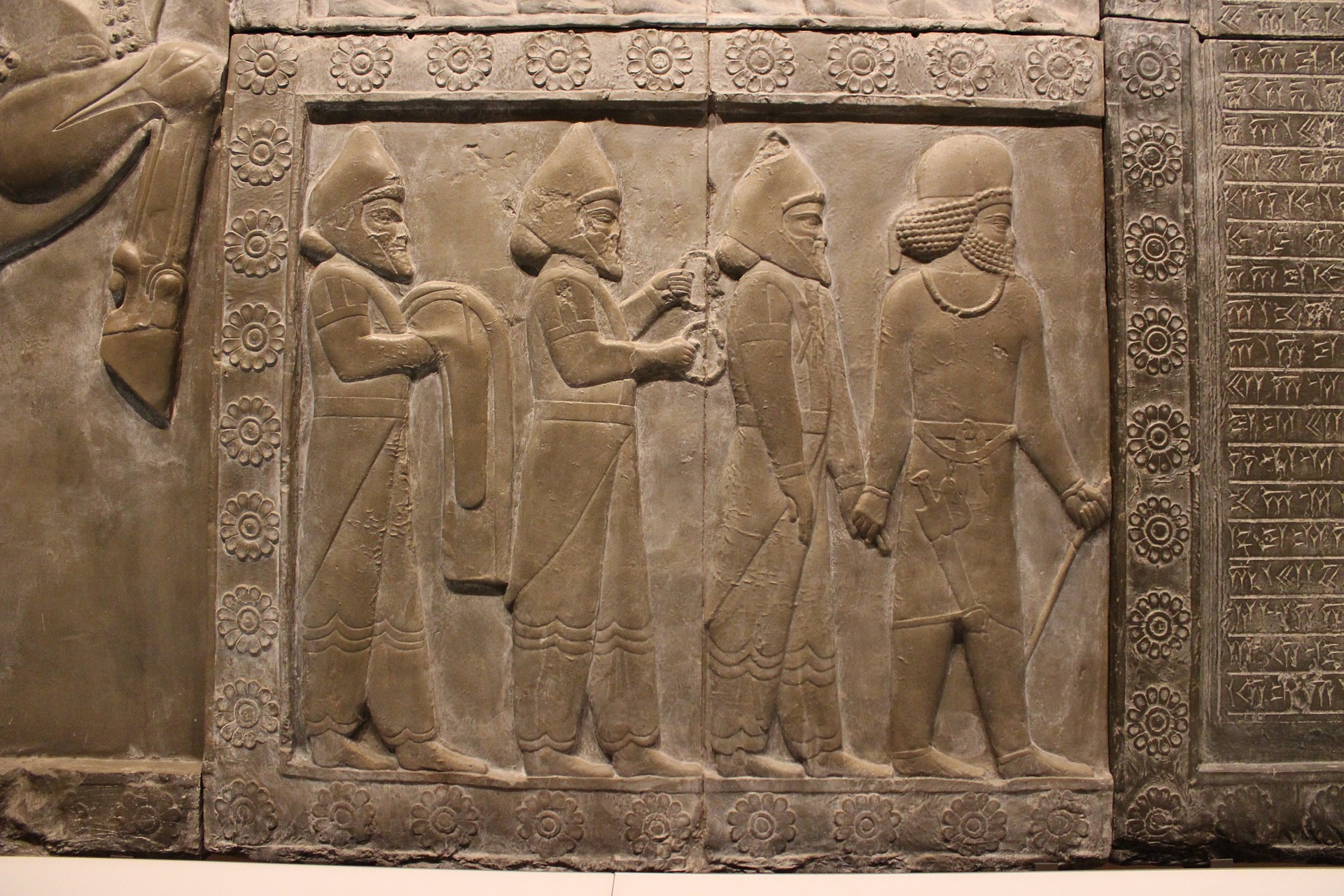
God blessed them greatly and in time, these families began to grow. Their numbers increased over several generations to the point where the Egyptians started to feel outnumbered and became very concerned. After some time, a Pharaoh emerged who thought that the Children of Israel should be ruled and controlled in case they planned to take the kingdom over. So, they forced them into slavery with the intention of using them to build Egypt into an even more powerful empire.
Population Explosion
It turned out that while under the oppression of slavery, the Israelites population grew even more, so the Egyptians created a law that enforced all Hebrew newborn boys be killed. Moses was born during the time of this law. His mother hid him, and Pharaoh’s daughter found him, adopting him as her own. Moses was raised in the royalty of Egypt, apart from his birth family, and as he grew, became deeply troubled that his people were slaves.
One day, when he was older, he killed an Egyptian. In fear of the consequences of this action, he ran away and lived in exile for forty years. He spent that time in the wilderness area of Midian, many hundreds of miles from Egypt, working as a shepherd.
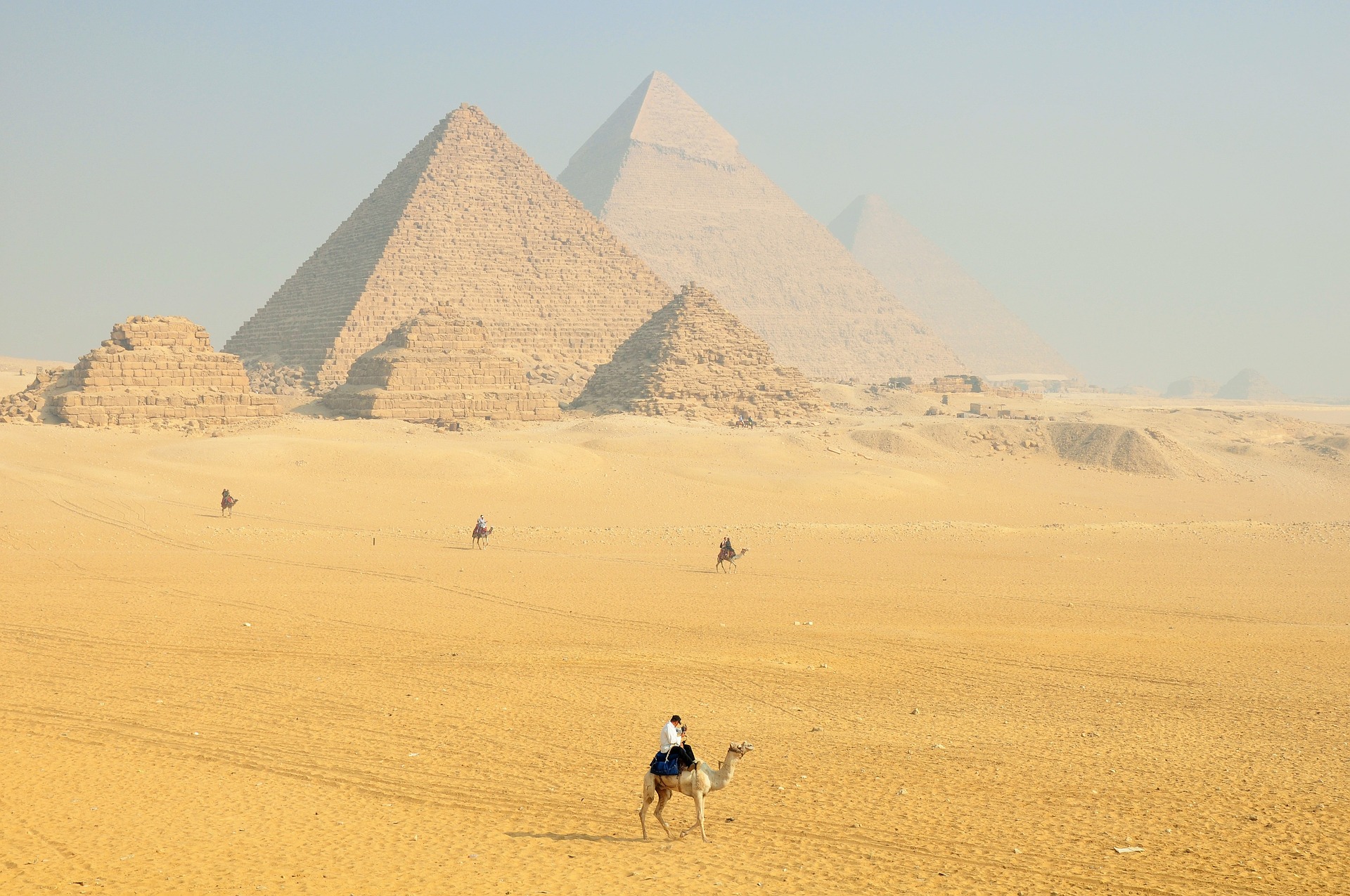
The day came when Moses returned to Egypt, because the Lord had called him to deliver the Children of Israel from slavery and take them back to the land God had promised to them. Egypt had become a superpower nation in the ancient world, with rapid growth. I’m sure, after being away forty years, Moses saw huge changes.
The Reason for The Exodus
What would ever cause Pharaoh to let Moses people go? Egypt had it made. The Hebrews were doing all the work to make them greater and more powerful.
Moses came before the throne of Pharaoh and told him, in the name of the Lord, to let the Children of Israel go, but Pharaoh refused. They showed him miracles by God, he was threatened with the infliction of plagues, such as, their water turning to blood, swarms of frogs, lice, flies, the death of their livestock and more, but he would still not set the Hebrews free.
God was demonstrating His power and causing His name to be known to all people on earth by taking advantage of Pharaoh’s arrogant ego. Undoubtedly, Egypt was left in utter shambles after it was struck by ten terrible plagues, the most devastating of which was the death of every first-born Egyptian in the land.
Pharaoh Allows the Hebrews to Leave
In brokenness, Pharaoh finally relented and allowed the Hebrews to leave. In much haste they left Egypt, but it wasn’t long before Pharaoh’s heart turned back around, regretting his choice. He quickly commanded his army to pursue and capture the Children of Israel to continue their slavery in Egypt.
It looked like they had them cornered up against the brim of the Red Sea, but again, God used Pharaoh’s pride to show His miraculous power by parting the waters of the sea. The Hebrews passed through, and Egypt pursued them. When all the Children of Israel made it safely across, God released the waters and the passageway collapsed upon the Egyptians drowning them.
God took everything from Egypt, a great and powerful nation, because of their persistent stubbornness in ignoring His warnings.
It was God who exalted Pharaoh so that He could demonstrate His power to him, all of Egypt, and make His name known throughout the entire world. God’s name would supersede Pharaoh, and all the Egyptian gods, and also the Children of Israel would acknowledge Him as their Redeemer and Savior.
It is only when human pride is set aside that the name of God can be glorified.
What Can We Learn
What can we take away from this and apply to our lives?
Having ambitions and setting goals in life is a good thing, but when achieving or “climbing a ladder” becomes an obsession, where success, recognition, and striving to be “great” is all that matters, that is a very concerning place to put yourself.
Our human determination is motivated by the question, “how high can I go?”
Often our thoughts are geared toward being the most prominent and best: “I’m aiming to be the CEO of this company. I’m purposing to be the most popular among my friends. I’m determined to be the smartest in my class.”
Jesus Left the Riches and Glory of Heaven
Do you know that in order to save us from our sin, God was intent on going as low as He possibly could? He lowered Himself to raise us up.
Jesus, the Son of God, willingly forsook all the riches and glory of heaven to become the sacrifice for our sin. In lowliness He descended into our sin filled world, becoming human. Born as a baby into a poor family, in an oppressed country.
Consider the following two verses:
“… He made himself nothing by taking the very nature of a servant, being made in human likeness. …being found in human form, He humbled himself, becoming obedient to death, yes, the death of the cross.”
Philippians 2:7,8
“He was despised and rejected by mankind, a man of suffering, and familiar with pain. Like one from whom people hide their faces He was despised, and we held him in low esteem.”
Isaiah 53:3
Nailed to a Cross, Then Raised From the Dead
Jesus was lifted up, nailed to a cross, in humiliation to die, shedding His blood to pay the price for our redemption. The people there were unaware of what was happening while Jesus hung there bleeding; they misunderstood that He was dying for them. As they stood there watching Him, some may have said or thought mockingly toward Him, “How the mighty have fallen.”
Though it seemed like Jesus was defeated, His death resulted in His glorification.
Jesus was raised up for this purpose; that God might show us His power to give eternal life and that His name might be proclaimed in all the earth.
“Therefore God exalted him to the highest place and gave him the name that is above every name, that at the name of Jesus every knee should bow, in heaven and on earth and under the earth, and every tongue acknowledge that Jesus Christ is Lord, to the glory of God the Father.”
Philippians 2:9-11
No Ladder of Success
There is no ladder of success by which we can climb up into heaven when we die. Even though Jesus was perfect and sinless, He humbled Himself for us. How necessary it is that we humbly acknowledge our sinfulness, as we are so undeserving of His sacrifice. Believing that He took upon Himself the full weight of our transgressions and God’s punishment in our place. It’s not an easy thing to put our pride of independence aside; accepting the fact that we cannot save ourselves and recognize our desperate need to depend upon Him as our Lord and Savior.
The result of trusting in Him will be a new life, at peace with God, and knowing you have a place in heaven that He has prepared for you.
The Key Verse
Our key verse (Exodus 9:16) is repeated by the Apostle Paul in the New Testament,
“For Scripture says to Pharaoh: “I raised you up for this very purpose, that I might display my power in you and that my name might be proclaimed in all the earth.””
Romans 9:17
Despite Pharoah’s hostility toward God and His people, God used him to demonstrate His power and name; may this not be the case for you; if you are in a position of leadership, own a business, or have authority, recognize it as a gift from God and humbly acknowledge your need to surrender it to Him.
Everyone ought to take note from the prideful actions of the Pharaoh of Egypt, who resisted God. By not surrendering to Him, you too will face the plagues of God’s wrath as he did. Place your faith in Christ as your Savior, and He will raise you up, never to fall:
“…we were by nature deserving of wrath. But because of His great love for us, God, who is rich in mercy, made us alive with Christ even when we were dead in transgressions—it is by grace you have been saved. And God raised us up with Christ and seated us with him in the heavenly realms in Christ Jesus…”
Ephesians 3:6
Which of God’s name mean to you? We would love to hear from you. Comment below or contact us at HopeStreamRadio.
2 responses to “God’s Name”
Dina Ghagrai
Is it possible to become a true disciple of Jesus in this present world.
Thank you for your response, Dina. Yes, you can be a true disciple today! The world often goes against what the Bible and Jesus teach, which can be discouraging. Being a follower of Jesus means having a relationship with Him and trusting Him. When we accept Him as our Lord and Savior and are born again, we receive the Holy Spirit, who stays with us. Our strength comes from the Holy Spirit, not from ourselves.
Being a disciple doesn’t mean being perfect. It means living with Jesus at the center of your life and knowing His great love for you. He will help you.












Leave a Reply