

The Parable of the Sower – The Good Soil.
Good soil is necessary for a good harvest. Mark Hillis completes his series about the Parable of the Sower by looking at good soil.
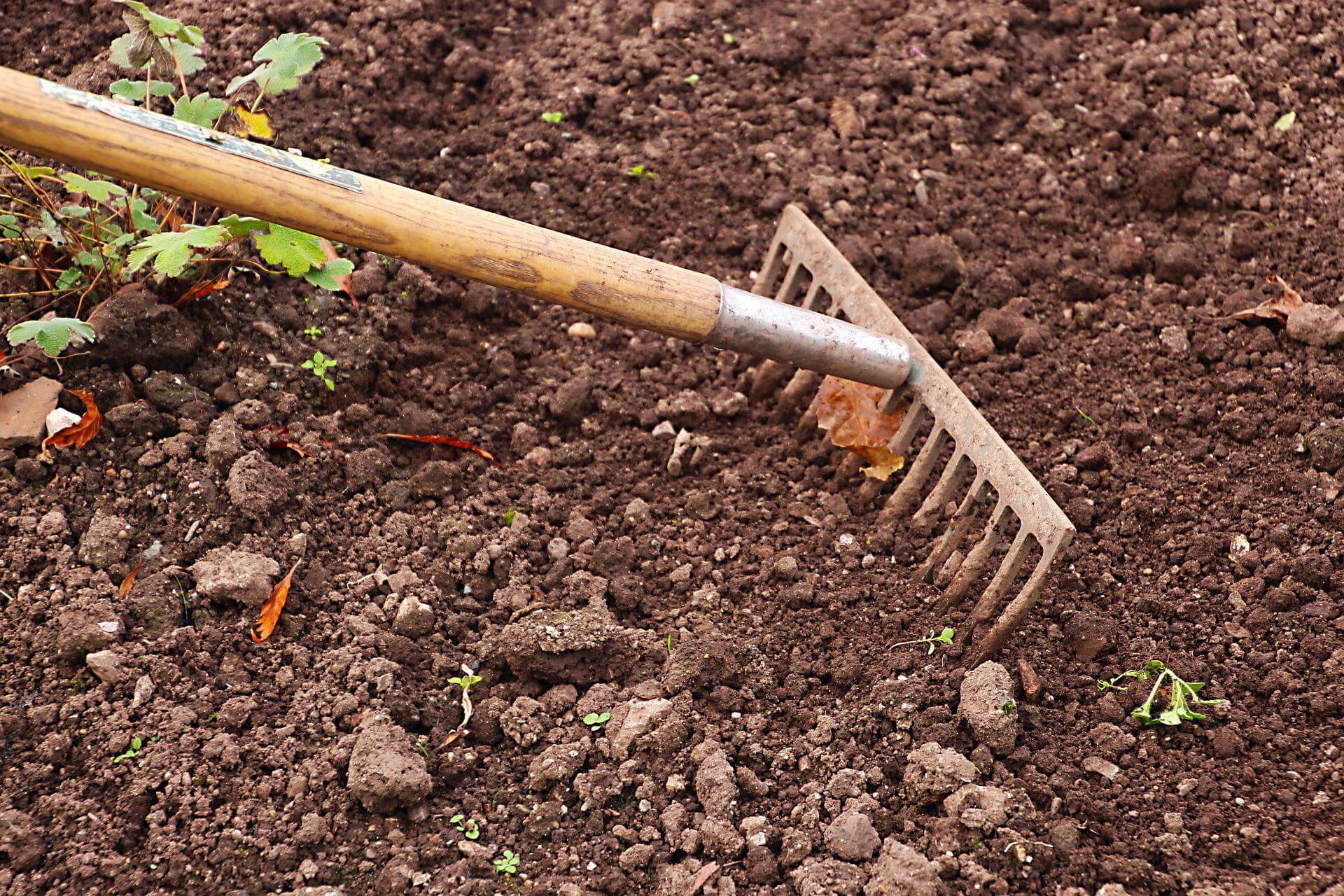
Reduce, Reuse, Recycle
In our world of “reduce, reuse, recycle,” it has become extremely popular to take items that would normally be discarded and fix them or find another use for them. Many people have developed a hobby or a career taking old cars, furniture, or antiques, and restoring them back to their original state.
The word “salvage” means rescuing something from destruction that can be put to better use. It is derived from the Latin word for “to save.” The reason for the Lord Jesus Christ coming into this world was to save all of us, rescuing us from devastation, making us new, and reconciling us to God.
2 Corinthians 5:17 tells us that:
… if anyone is in Christ, he is a new creation. The old has passed away; behold, the new has come.
2 Corinthians 5:17
The Final Soil – The Good Soil
We now come to the final soil mentioned in Jesus “parable of the sower;” the “good soil.”
Luke 8:8 reads,
And some fell into good soil and grew and yielded a hundredfold.
Luke 8:8
A few verses later Luke records:
As for that in the good soil, they are those who, hearing the word, hold it fast in an honest and good heart, and bear fruit with patience.
Luke 8:15
This ground that the sown seed falls upon has all the traits to produce positive results. We have been considering in each episode of this series what a good farmer does to prepare a field for his crop; first he plows the field, refreshing the soil, burying the weeds under the ripple of its deep straight furrows, with stones and obstacles removed. But how do we apply this spiritually? What must happen to the heart enabling it to receive the seed and be “good soil?”
King David and a Broken Spirit
King David wrote in Psalm 51:17 what the Lord God wants from us;
The sacrifice you desire is a broken spirit. You will not reject a broken and repentant heart, O God.
Psalm 51:17
Sacrifice Means Surrender
Sacrifice means surrendering something of value. I’m proposing in this episode that the good soil in this parable is the way it is because of self-sacrifice. That there are three things that God wants from us: a broken spirit, a repentant heart and availability.
Broken Ground. A broken spirit.
Psalm 34:18 says,
The LORD is close to the brokenhearted; he rescues those whose spirits are crushed.
Psalm 34:18
Living in a Broken World
We live in a broken world. God did not create it this way. In Genesis chapter 1, as God concluded segments of His creation He said, “it was so,” in other words, all things were set in order according to His will. But Adam and Eve’s sin broke their relationship with the Lord and damaged the creation.
The Apostle Paul in Romans chapter 8 describes the earth as being subjected to curses, in bondage to death and decay, it groans to be released and be as God originally created it. God’s long-term plan is to see the earth restored and renewed, with the Lord Jesus Christ being the overseer of its completion. Our hope is in that future day. Apart from God’s plan there would be no hope of restitution and we would remain in transgression and separation as individuals and the world.
Discarding Broken Things
Most of us discard broken things, when it is no longer usable or past its purpose, holding no value. Thankfully God does not see us this way. He is in the business of fixing fractured lives.
In Psalm 147:3 we read,
He heals the brokenhearted and bandages their wounds.
Psalm 147:3
The problem we face is that the depravity we have, blinds us to our need for restoration. We lack the perception of what we truly are, sinners needing a savior. Since humanity’s fall into sin, God has been reaching out to us with hands of love and healing.
Jesus faced this ignorance in His ministry as seen in Mark 2:17
When the scribes who were Pharisees saw Jesus eating with these people, they asked His disciples, “Why does He eat with tax collectors and sinners?” On hearing this, Jesus told them, “It is not the healthy who need a doctor, but the sick. I havenot come to call the righteous, but sinners. Only sick people see the need for a doctor. Jesus is expressing that until we see our depravity, we will not turn to Him to heal us.
Mark 2:17
The Ground Must be Broken
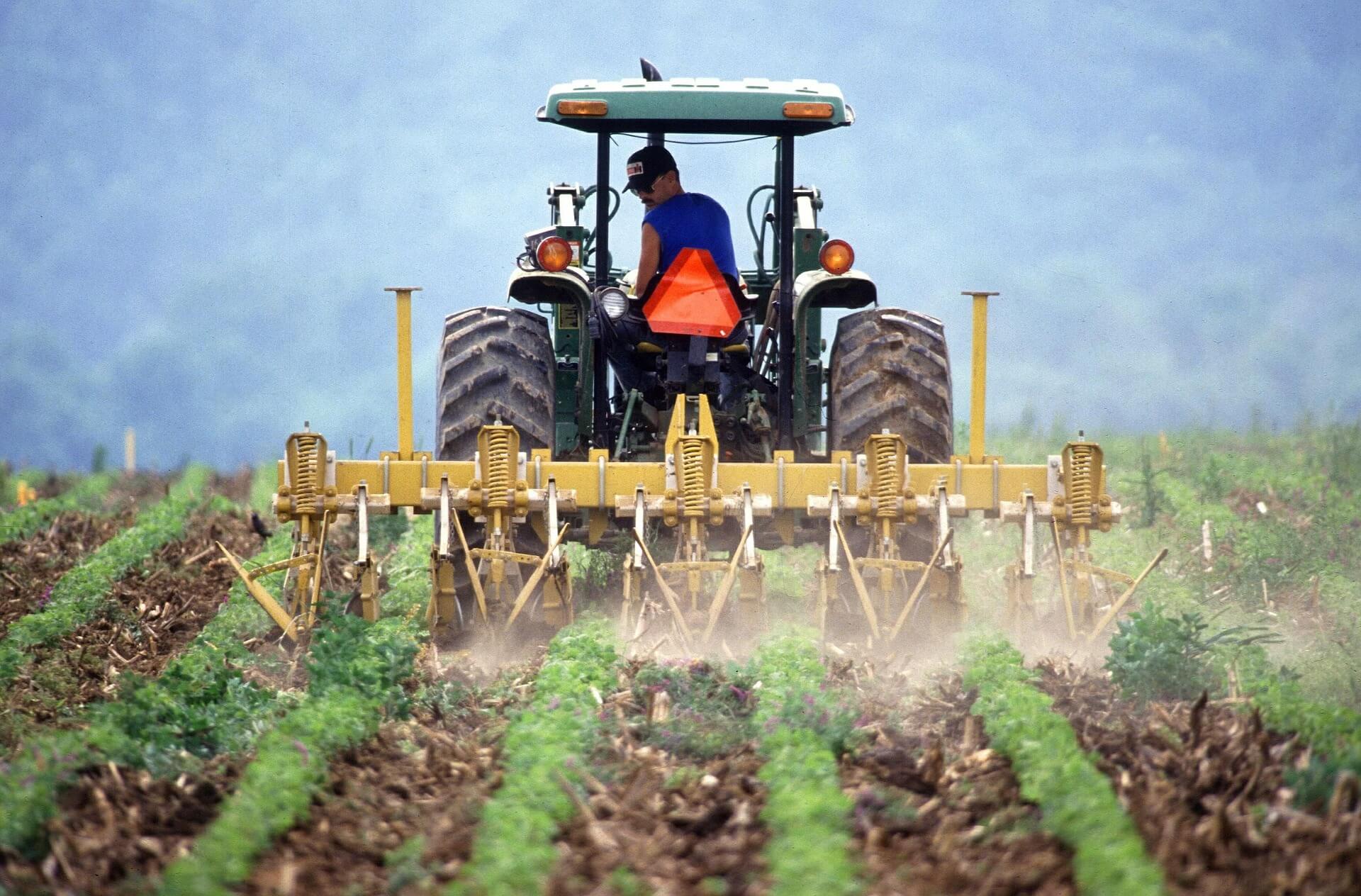
The ground must be broken, penetrated deep by the plow of God’s truth, and tilled to break up the hard clods, making the soil fit to fulfill the farmer’s purpose.
Repentant Ground. A repentant heart.
2 Corinthians 7:10 describes a repentant heart.
For the sorrow that is according to the will of God produces a repentance without regret, leading to salvation…
2 Corinthians 7:10
We would never think that surrender in battle could end as victory for the surrenderee, but that is what happens when we repent to God. It takes great inner strength to put pride aside and admit you are wrong. Not regret or remorse, but renunciation. True repentance is a complete turnaround in someone’s life. This is perfect ground ready to receive the Word of God, being pliable, submissive and teachable.
The Good Soil That Receives the Seed
The good soil that receives the seed in the parable is interpreted by Jesus as being a heart that is honest; this is the state of repentance. The Apostle John tells us that if we think we are not sinners then we are lying to ourselves, blind to what we are;
If we say we have no sin, we deceive ourselves, and the truth is not in us. If we confess our sins, he is faithful and just to forgive us our sins and to cleanse us from all unrighteousness.”
I John 1:8-9
Repentance
Repentance, although uncomfortable for a time, God in His grace and compassion, does not leave us in this state. He wants to restore us and bring us into a relationship with Him. His promise to us is Matthew 23:12
…those who humble themselves will be exalted.
Matthew 23:12
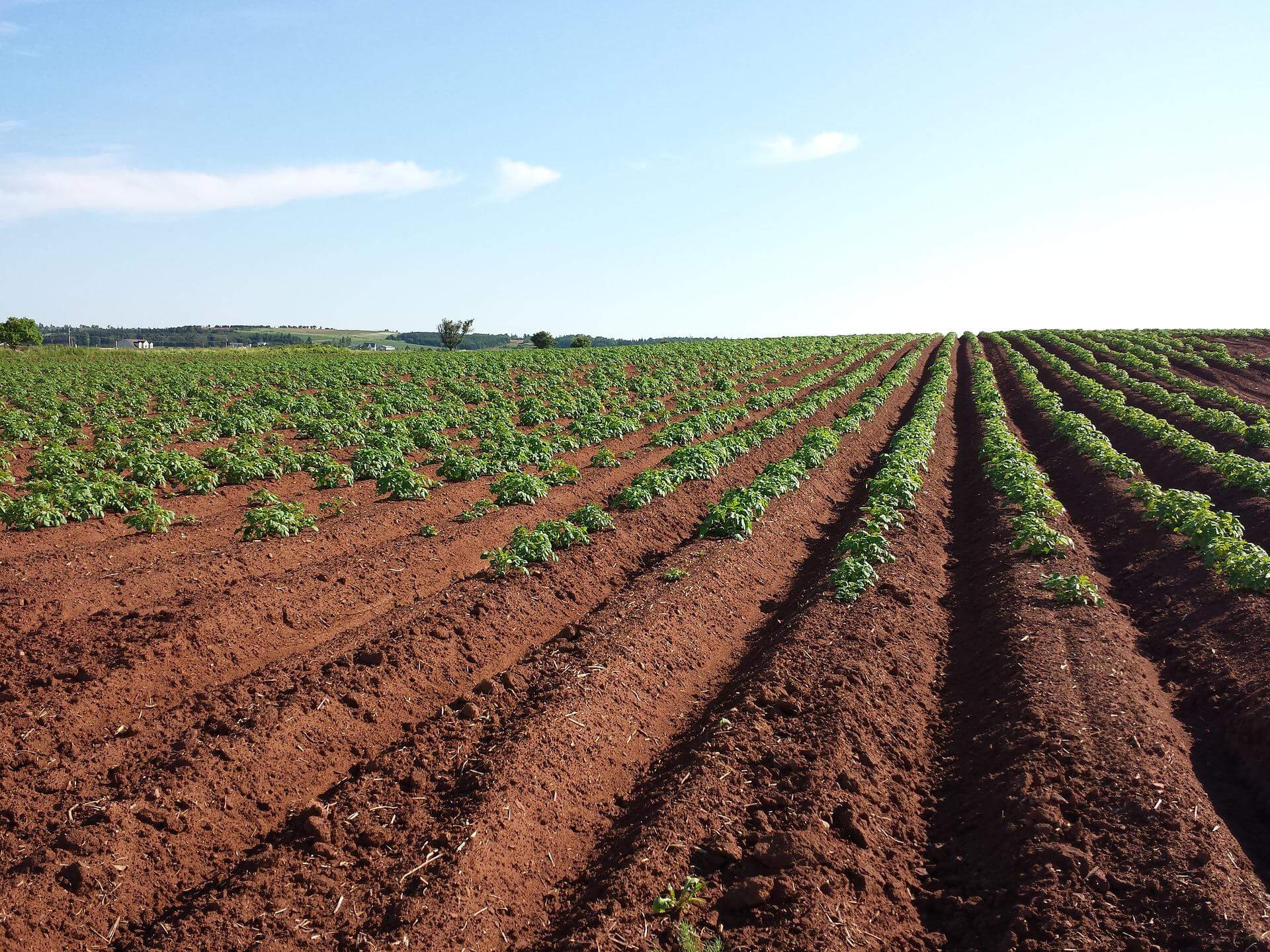
God’s Word will struggle to grow in a soil mixed of guilt, dishonesty and pride. A life of confession and communion with God will bear the abundant spiritual fruit intended. The sadness of repentance will turn to joy, glorifying God in the great work He has done in your life.
Barren Ground. Availability.
It’s so fine and yet so terrible to stand in front of a blank canvas. – Paul Cézanne
Be it an artist with an empty canvas ready to receive paint, a farmer with an empty field ready to receive seed, or God with a soul that has been emptied to receive His salvation, all three are ready to submit and be changed. Before them lies a barren thing, to others it might appear to be desolate, painstaking and hopeless, but instead they see opportunity for new things.
Creation and Multiplication
In Genesis chapter 1, God commanded His creation to be fruitful and multiply but interestingly, barrenness is a constant theme throughout the Bible. Only eleven chapters into Genesis and it is mentioned for the first time; Sarai, Abram’s wife, could have no children.
We see many other examples of barrenness as we progress through the chapters and books, Rachel, Hannah, the mother of Samson, and in the New Testament, Elizabeth. All these women longed to be filled and sought out the Lord in faith. Miraculously God gave life where it had never been. Some of them were past the point humanly speaking, to be able to have children.
The change in heart is seen in Psalm 126:6:
He who goes out weeping, bearing the seed for sowing, shall come home with shouts of joy, bringing his sheaves with him.
Psalm 126:6
This soil, clear of all obstacles, openly receives the Word of God with gladness, keeping it, understanding it, and treasuring it. In faith it holds onto the promise that barrenness will not last, but it will become fertile bearing abundant fruit.
The Virgin Mary
Consider the virgin Mary, the mother of Jesus; she was not barren but was untouched and willing to be used by the Lord. As a young woman and not yet married, the angel Gabriel came to her and said that she found favor with God. How is this? What made her favorable? I think the answer is found in how she responded to hearing that she would bare and give birth to the Son of God;
Behold, I am the servant of the Lord; let it be to me according to your word.
Mary, Mother of Jesus
Without hesitation, she gave herself over to be used by the Lord.
Fruit From Good Soil
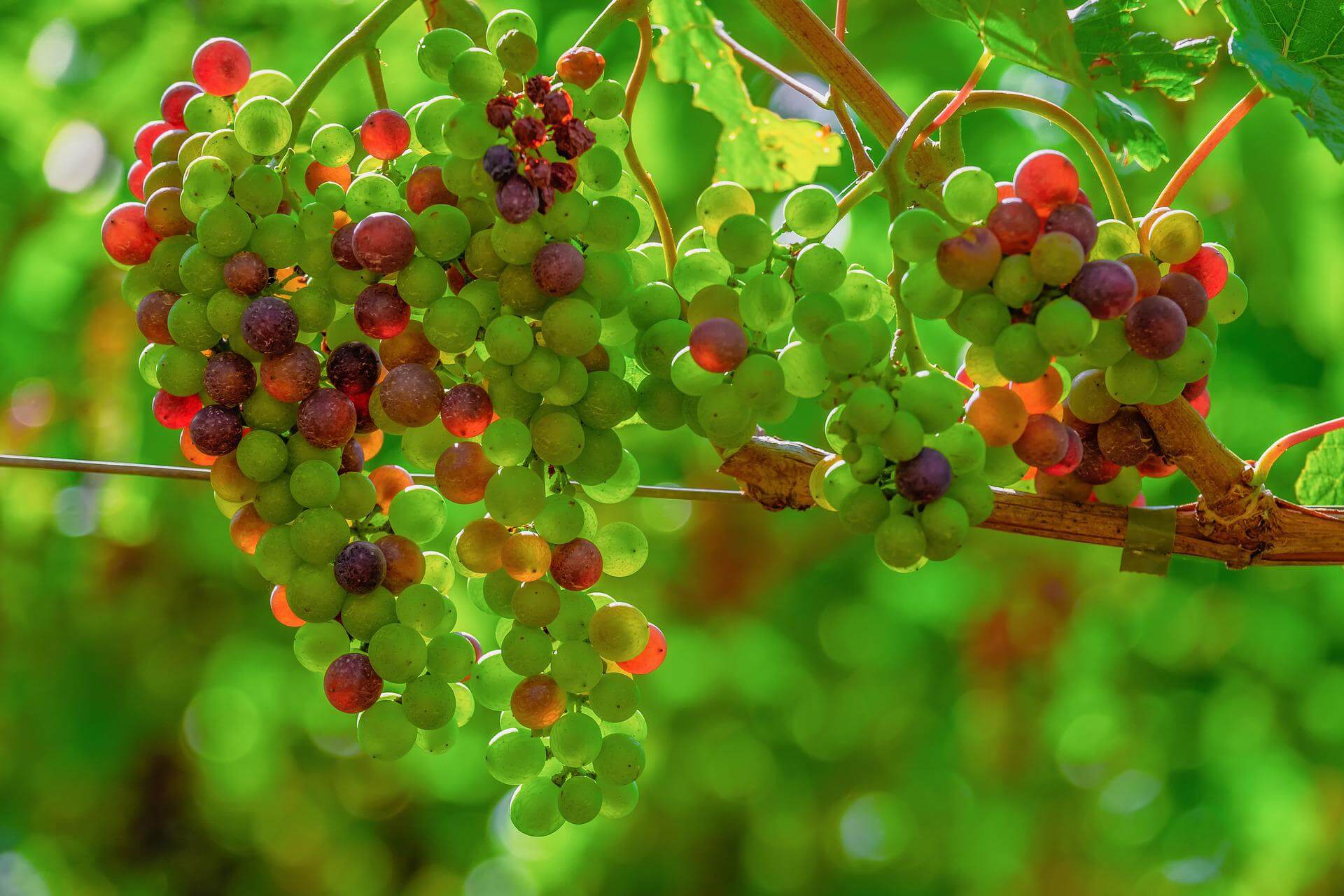
The Apostle Paul lists the good fruit that comes from good soil, calling it the “the fruit of the Spirit,” being love, joy, peace, longsuffering, kindness, goodness, faithfulness, gentleness, self-control.
Are these fruits evident in our lives?
Again, we must remember, patience is important. Fruit comes only with patience. When we sow to grow, waiting is a necessity. The Psalmist said, “Be still and know that I am God,” is a great challenge for all of us, but very necessary for hearts of good soil.
Farming is important and it effects our society and the economy. If countries neglect to support this sector it will lead to poverty, and economic crisis. Likewise, if believers are apathetic to spiritual cultivation in their lives, it can lead to negative effects in their walk with the Lord. The seeds we sow will grow, so may we be ever mindful of what we scatter. Are the scattered seeds good, and intended to bring glory to the Lord?
Instruments in the Master’s Hand
“Faith comes by hearing.” Are we instruments in the Master’s hand, having the same mind of the Lord to expand the field and see laborer’s increased through sharing the love of Christ? Are we good stewards of what He has given us? The Word must be spoken for others to hear, giving them opportunity to receive it and be saved, from there we leave it with the Lord to do His work.
The Holy Spirit needs room to begin the work and time to complete it. God’s love for us should be our motivating factor to do our part, sowing the seed in faith, and looking towards a bountiful harvest for His glory.
schemes.

What do you think “thorny ground” means? We would love to hear from you. Comment below or contact us at HopeStreamRadio.






Leave a Reply